
The Moron in a Hurry Trademark Infringement Test
The Moron in a Hurry Trademark Infringement Test
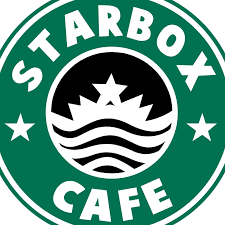
The “moron in a hurry” trademark infringement test.
Never heard of it? Not surprising.
In the US, trademark infringement turns on the likelihood of confusion test. Courts compare two marks by weighing factors named after different cases depending on the Circuit, but generally the DuPont factors:
- The similarity or dissimilarity of the marks in their entireties as to appearance, sound, connotation and commercial impression.
- The similarity or dissimilarity of and nature of the goods or services as described in an application or registration or in connection with which a prior mark is in use.
- The similarity or dissimilarity of established, likely-to-continue trade channels.
- The conditions under which and buyers to whom sales are made, i.e. “impulse” vs. careful, sophisticated purchasing.
- The fame of the prior mark (sales, advertising, length of use).
- The number and nature of similar marks in use on similar goods.
- The nature and extent of any actual confusion.
- The length of time during and conditions under which there has been concurrent use without evidence of actual confusion.
- The variety of goods on which a mark is or is not used (house mark, “family” mark, product mark).
- The market interface between applicant and the owner of a prior mark.
- The extent to which applicant has a right to exclude others from use of its mark on its goods.
- The extent of potential confusion, i.e., whether de minimis or substantial.
- Any other established fact probative of the effect of use.
Thorough, but not catchy.
Enter our British friends with a pithy turn of phrase. UK courts have held that if “only a moron in a hurry would be misled,” infringement isn’t made out. There’s more to UK trademark law than that—but as a one-liner capturing the spirit of the inquiry, it’s hard to beat.
Turns out our forebears across the pond had a gift for plain English too.